
More Than 10,000 Births Later: Dr. Silvio Cavalcante on Leadership, Safety and Change in Obstetric Care
Nov 17, 2026
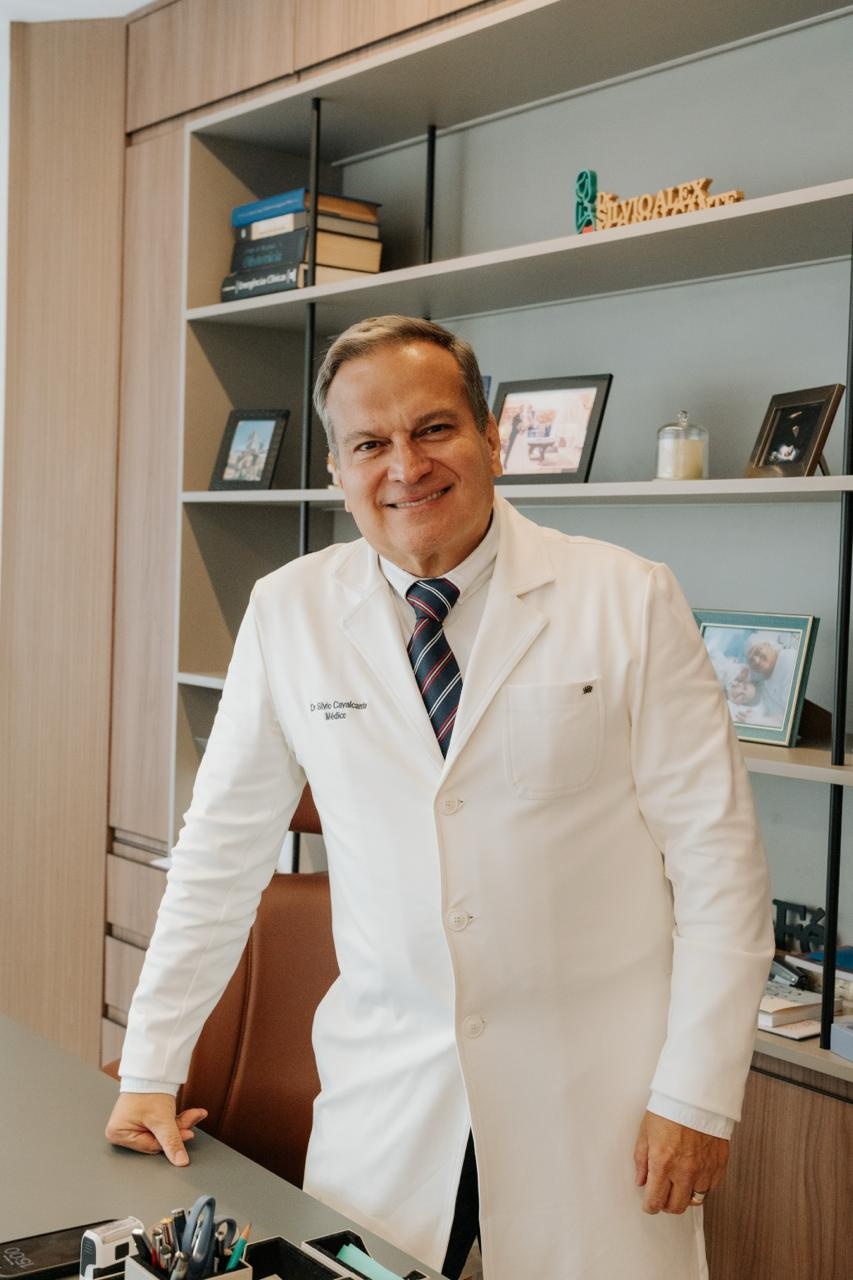
A veteran of Rio de Janeiro’s public and private maternity services, the Brazilian obstetrician led two hospital obstetric departments and witnessed decades of transformation in how babies are brought into the world.
Orlando, Florida Nov 16, 2026 (Issuewire.com) - Dr. Silvio Alex Marques Cavalcante started in obstetrics the way many doctors do: on night shifts. In September 1987, shortly after graduating from medical school, he began working as an on-call obstetrician at the Clara Basbaum Maternity Hospital in Rio de Janeiro. Today, his résumé records more than 10,000 deliveries.
"Night shifts in a busy maternity hospital teach you things no book can. You learn to read a situation in seconds, and you learn that the calmest person in the room has to be you," he recalls.
Learning obstetrics across the system
His career moved through nearly every layer of Brazil's maternity care system. He worked in a state health program serving the Baixada Fluminense, on the outskirts of Rio de Janeiro; spent about eleven years at the IASERJ Central Hospital; and joined the Rio de Janeiro Municipal Health Department, practicing at the Paulino Werneck Municipal Hospital. In parallel, he was part of the clinical staff of private hospitals such as the Spanish Beneficence Hospital.
"Working in a public hospital and a private maternity ward in the same week teaches you humility," he says. "The resources are different, but the moment of birth asks the same thing of the doctor everywhere: be prepared, stay calm and never stop paying attention."
Leading obstetric services
Early in his career, Cavalcante also worked as a medical auditor for health care organizations, an experience that sharpened his eye for the processes behind clinical outcomes. It proved useful when he moved into leadership: from 2003 to 2007, he held director and chief roles in the Obstetrics Service of the Rio de Janeiro Perinatology Institute, attached to the Pró-Matre unit, and from 2005 to 2008 he headed the Obstetrics and Gynecology Service at the Pan-American Hospital.
"Taking charge of a service means your impact is amplified. You stop answering only for your own patients and start answering for every life that comes through that door," he says. "In obstetrics, where time is critical, and the unexpected is the rule, leadership means building safety systems. Making sure the doctor on the night shift makes the same excellent decision we would make in daylight: that is the quiet, invisible and most important work of a leader."
Decades of change
Cavalcante's career spans a period of profound change in obstetric medicine. He watched ultrasound become routine, fetal monitoring and anesthesia improve, and evidence-based medicine reshape clinical protocols, and he incorporated each of those advances into his practice.
"Technology made childbirth much safer, and I am grateful for every advance," he says. "But amid all of it, a careful conversation with the patient remains sovereign. No machine replaces a doctor who knows the patient and has earned her trust long before the day of delivery."
Still practicing in Rio de Janeiro, where he follows patients from reproductive planning to the postpartum period, he describes the work in simple terms. After thousands of births, he says, each new one is still a privilege.
Source :Silvio Alex Marques Cavalcante
This article was originally published by IssueWire. Read the original article here.
More News






YOUR NEWS, OUR NETWORK.
Do you have Great News you want to tell the world?
Be it updates about your business or your community, you can make sure that it’s heard by submitting your story to our network reaching hundreds of news sites across 6 verticals.